
Exercise, inflammation and acute cardiovascular events.
DOI:
https://doi.org/10.22029/eir.2022.1751Keywords:
ACUTE MYOCARDIAL-INFARCTION, SUDDEN CARDIAC-ARREST, MUSCLE-DERIVED INTERLEUKIN-6, AMERICAN-HEART-ASSOCIATION, ACUTE CORONARY SYNDROMES, NECROSIS-FACTOR-ALPHA, PHYSICAL-ACTIVITY, HYPERTROPHIC CARDIOMYOPATHY, SCIENTIFIC STATEMENT, EUROPEAN ASSOCIATIONAbstract
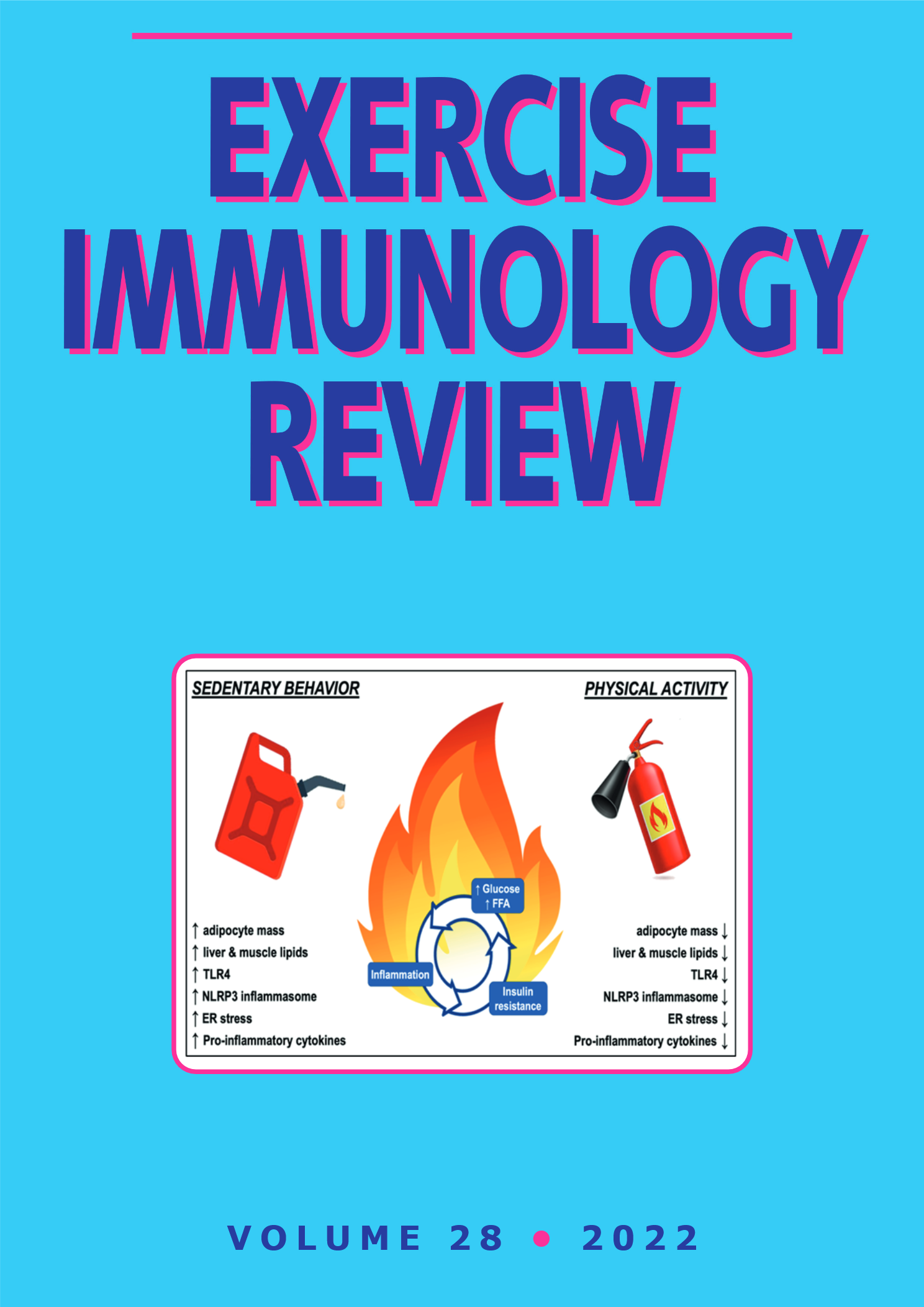
Individuals who participate in regular exercise over time have a markedly reduced risk of cardiovascular disease. Paradoxically, in susceptible individuals with underlying, often undiagnosed, disease states, exercise may acutely increase an individual's risk of cardiovascular events during and immediately following physical exertion. Exercise is thought to evoke conditions that trigger atheromatous plaque rupture or trigger life threatening arrhythmias in individuals with pre-existing, vulnerable coronary artery and inherited cardiovascular disease respectively. This transient increased risk may be driven by the inflammatory trigger provided by physical exertion where exercise is associated with an upregulation of inflammatory mediators in the acute phase. Conversely, habitual exercise can lead to a modulation of the inflammatory response over time. This review explores: exercise related inflammation; acute cardiovascular events related to exercise and strategies to mitigate these risks.References
Downloads
Published
2022-12-31
Issue
Section
Articles