Physical Exercise: A Versatile Anti-Inflammatory Tool Involved in the Control of Hypothalamic Satiety Signaling
DOI:
https://doi.org/10.22029/eir.2021.1739Keywords:
PLASMA ENDOCANNABINOID LEVELS, APPETITE-RELATED HORMONES, CENTRAL-NERVOUS-SYSTEM, DIET-INDUCED OBESITY, INDUCED WEIGHT-LOSS, CHAIN FATTY-ACIDS, BETA/NF-KAPPA-B, ENERGY-INTAKE, AEROBIC EXERCISE, SKELETAL-MUSCLEAbstract
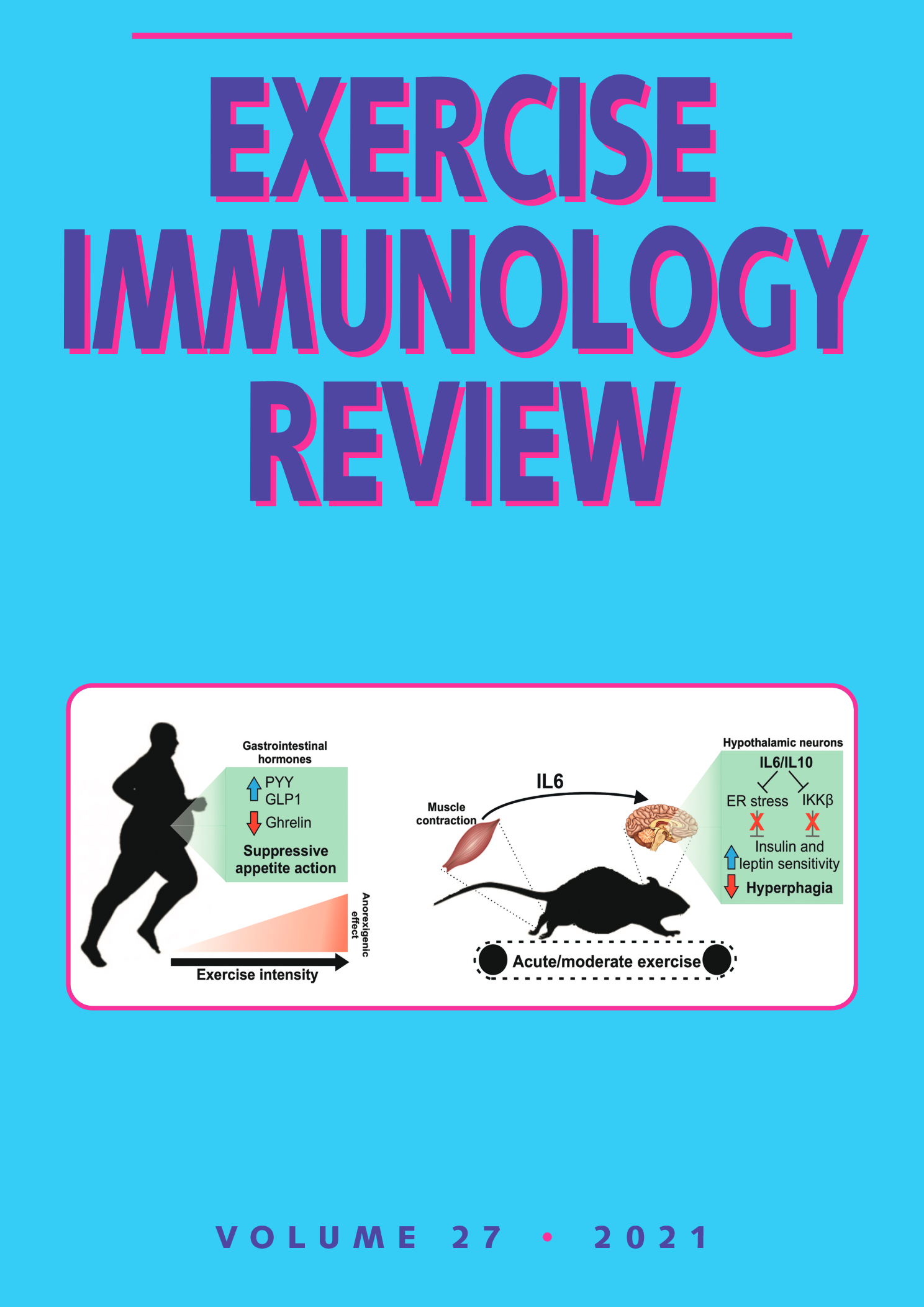
The hypothalamus plays a critical role in the control of food consumption and energy expenditure. Fatty diets can elicit an inflammatory response in specific hypothalamic cells, including astrocytes, tanycytes, and microglia, disrupting anorexigenic signals in region-specific hypothalamic neurons, contributing to overeating and body weight gain. In this study, we present an update regarding the knowledge of the effects of physical exercise on inflammatory signaling and circuits to control hunger in the hypothalamus in obesity conditions. To try to understand changes in the hypothalamus, we review the use of magnetic resonance/anorexigenic hormone analysis in humans, as well as in animal models to explore the physiological and molecular mechanism by which exercise modulates satiety signals, such as the central antiinflammatory response, myokine delivery from skeletal muscle, and others. The accumulation of scientific evidence in recent years allows us to understand that exercise contributes to weight control, and it is managed by mechanisms that go far beyond ""burning calories.
References